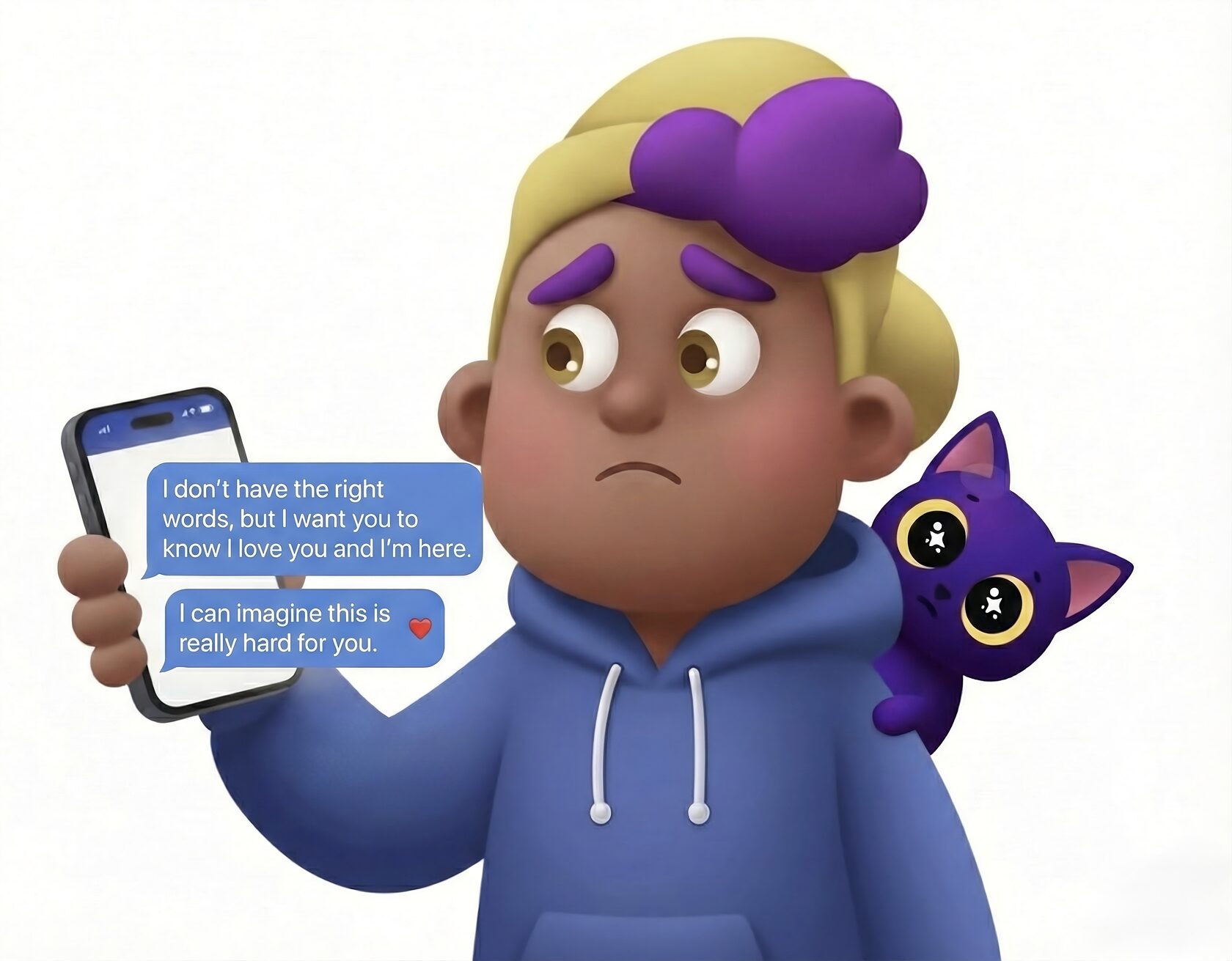
Let’s be honest. For many people, the thought of picking up the phone to resolve a billing issue or navigate a tech problem can trigger a genuine wave of anxiety. The pressure to think quickly, the fear of being misunderstood, the sheer auditory overwhelm—it’s real. And in a world that’s increasingly aware of mental well-being, traditional “call us now!” support feels, well, a bit loud.
That’s where silent support comes in. It’s not about ignoring customers. Quite the opposite. It’s about building a bridge for those who find voice calls or live chat too intense. Think of it like offering a quiet room off the main hallway of your customer service center. A space where interaction happens on the customer’s terms, at their pace.
What Exactly Are Silent Support Channels?
In short, they are asynchronous, text-based communication methods that don’t demand an immediate, real-time response. The key is the removal of pressure. Unlike live chat where you see those “Agent is typing…” bubbles (which can create its own anxiety), silent channels let the customer breathe, think, and respond when they’re ready.
The Core Channels to Consider
Well, you’ve got options. The best approach is a blend, honestly.
- Email, but reimagined. Not the “we’ll get back in 3-5 business days” kind. This is dedicated, well-staffed email support with clear SLA expectations (like “within 2 hours”) advertised upfront. It’s the classic, but it works.
- Secure Messaging within an App or Portal. This is a game-changer. A direct, logged message system inside your product. It feels contained and private, away from the clutter of a personal inbox.
- Expanded Self-Service Hubs. Truly comprehensive FAQs, community forums, and detailed guides. For many, solving it themselves is the low-anxiety path. The goal is to make this so good they might not need to contact you at all.
- Scheduled Text (SMS) Conversations. Not blasting promotions, but allowing a customer to opt into a text thread where they can ask questions and get replies within a set timeframe. It’s less formal than email for some.
Why This Isn’t Just a “Nice-to-Have” Anymore
Here’s the deal. This is about inclusion, sure. But it’s also smart business. A significant portion of your customer base experiences situational or chronic social anxiety. By only offering high-pressure contact points, you’re inadvertently creating barriers. Barriers to resolution, to loyalty, and to positive word-of-mouth.
Think of it like this: offering only a phone line is like a store having only a bright, fluorescent-lit entrance with a greeter who shouts “HELLO!” Some love it. Others will walk right past to a competitor with a calmer door. Silent support is that calm door.
Rolling It Out Without the Noise
Implementation is where the good intentions meet reality. You can’t just slap an extra email address on the website and call it a day. This needs thoughtful integration.
Step 1: Audit & Map the Current Journey
Look at every touchpoint. Where does a customer hit a wall if they can’t or won’t call? Is your “Contact Us” page just a phone number and a chaotic live chat pop-up? Map the pain points for the anxiety-sensitive user—you know, the one already feeling a bit overwhelmed.
Step 2: Choose & Design Your Channels
Pick one or two to start. Maybe it’s bolstering your self-service and adding an app-based messaging system. The design is crucial: use calm, clear language. Instead of “CONTACT SUPPORT NOW” use “Get help on your own terms” or “Send us a message, we’ll reply when you’re ready.” The wording itself is a signal.
Step 3: Train Your Team Differently
This is maybe the biggest shift. Support agents for these channels need training in written tone, empathy, and patience. They must avoid urgency-inducing phrases like “Please respond ASAP.” Their success metric shifts from “shortest handle time” to “first-contact resolution” and customer satisfaction scores. They’re not just solving problems; they’re providing a calm, digital presence.
| Traditional Support Mindset | Silent Support Mindset |
| Resolve quickly, move to next. | Resolve thoroughly, pace is secondary. |
| Use phone/chat for speed. | Use text for clarity and comfort. |
| Assume customer urgency. | Let customer set the urgency. |
| Metric: Calls handled per hour. | Metric: CSAT & resolution rate. |
Step 4: Communicate the Option Clearly
You have to signal this offering everywhere. On your contact page, in your app’s help menu, even in your IVR: “If you prefer text-based support, visit our help center or message us in the app.” Normalize it as a valid, respected choice, not a hidden last resort.
The Tangible Benefits You’ll See
So what happens when you build these quiet bridges? The benefits are surprisingly loud. Customer satisfaction (CSAT) scores for these channels often skyrocket. You reduce perceived effort dramatically. You also get more detailed, thoughtful queries—because the customer had time to compose them—which can lead to better diagnostics and solutions.
And, in fact, you might even reduce volume on your high-stress channels. By providing a dignified alternative, you defuse tension before it starts. It’s a win-win, really: you create loyal advocates and build a reputation as a truly customer-centric brand. A brand that pays attention to how people want to talk, not just what they’re talking about.
A Quiet Conclusion
Implementing silent support channels is less about adding a new tool and more about a fundamental shift in perspective. It’s acknowledging that customer care isn’t one-size-fits-all. That for some, the most supportive thing you can do is to not ask them to speak up, but to let them type it out. In a noisy digital world, sometimes the most powerful statement your brand can make is to simply… listen, quietly.