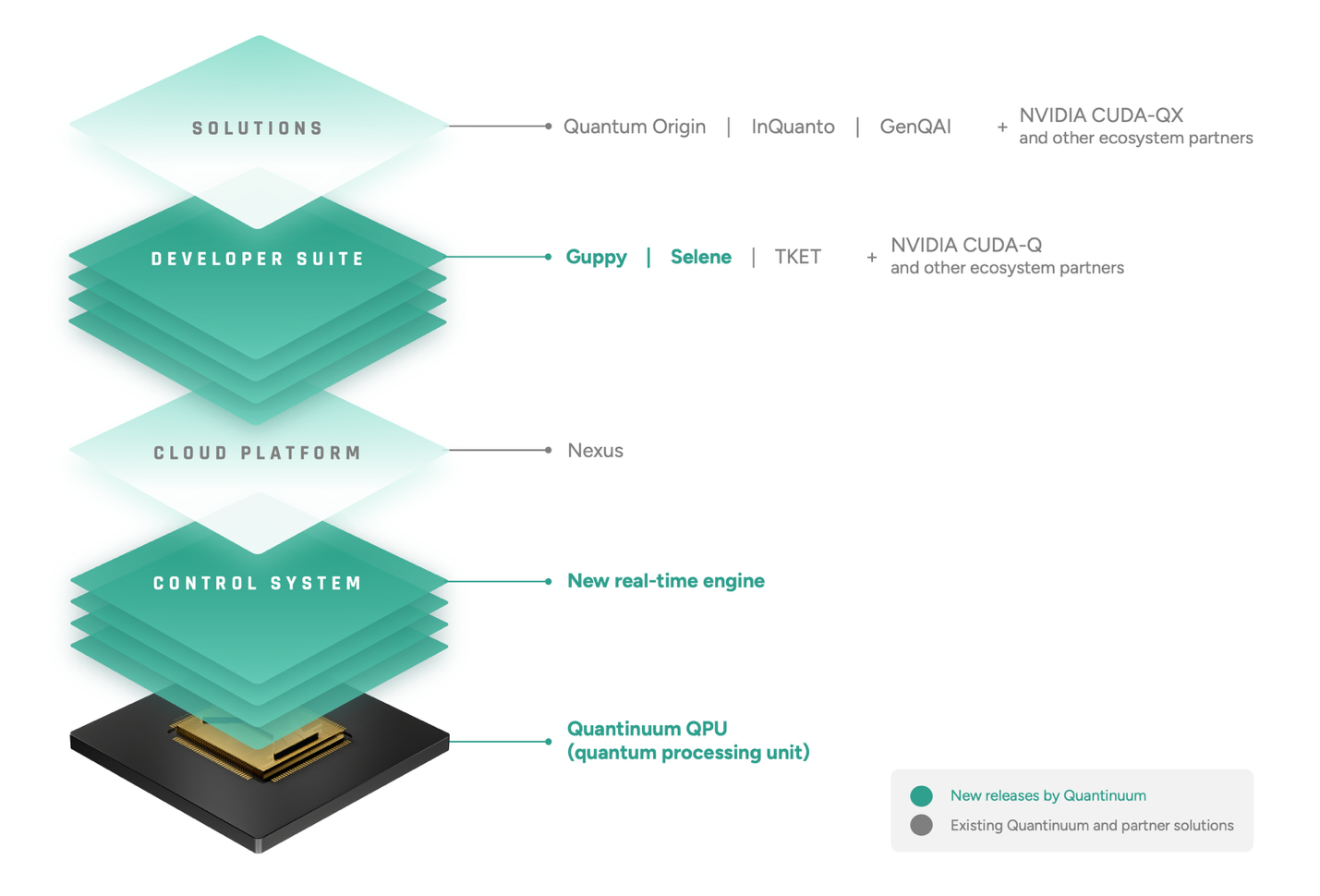
Let’s be honest—quantum computing sounds like pure science fiction. Qubits, superposition, entanglement… it’s a world away from quarterly reports and supply chain logistics. But here’s the deal: the collision of this nascent technology with the gritty realities of business optimization isn’t a distant future prospect. It’s starting to happen now. And it promises to rewrite the rules of what’s possible. Think of your current business optimization problems—scheduling a global workforce, managing a million SKUs across continents, crafting the perfect financial portfolio. Classical computers, for all their power, often hit a…
Read MoreCategory: Business
Capital Preservation vs. Growth: Why is Investing Important for Inflation-Adjusted Wealth?
Money that sits still rarely keeps its value. Over time, inflation quietly erodes purchasing power, turning what once felt like a solid financial cushion into something far less reliable. Many people assume that saving alone is enough to build security, but in reality, preserving wealth requires a more active approach. The balance between protecting capital and pursuing growth becomes essential in a world where prices consistently rise. This is where investing plays a critical role. It is not only about increasing wealth but also about maintaining its real value over…
Read MoreNavigating the Legal and Operational Framework of Digital Nomad Employer of Record Services
Let’s be honest. The dream of a borderless team is intoxicating. You find a brilliant developer in Lisbon, a marketing whiz in Bali, and a project manager splitting time between Buenos Aires and a beach hut. It’s the future of work, right? Well, sure—until you hit the brick wall of compliance. Payroll taxes in Portugal? Work permits for Indonesia? Liability in Argentina? The dream can curdle into a legal and administrative nightmare faster than you can say “visa run.” That’s where the concept of an Employer of Record (EOR) for…
Read MoreThe Intersection of Quantum Computing and Business Strategy: Beyond the Hype
Let’s be honest. Quantum computing sounds like science fiction. Qubits, superposition, entanglement—it’s a world away from quarterly reports and supply chain logistics. But here’s the deal: the buzz isn’t just noise. The real conversation isn’t about building quantum computers; it’s about what they mean for how we plan, compete, and survive. This is where quantum computing meets business strategy. And it’s a collision that demands attention now, not later. Why Strategy Can’t Wait for the Hardware Sure, a fault-tolerant, general-purpose quantum computer is likely a decade away. But the strategic…
Read MoreThe Rise of the Solopreneur Ecosystem: Tools and Support Networks
Honestly, the business landscape is shifting under our feet. Gone are the days when “entrepreneur” automatically meant a team, an office, and a massive overhead. In its place? A vibrant, sometimes chaotic, but incredibly powerful force: the solopreneur. These are the one-person armies building brands, products, and services from the ground up. They’re not just freelancers; they’re CEOs, marketers, accountants, and customer service reps all rolled into one. But here’s the deal—no one truly does it alone. The real story isn’t just the rise of the individual founder. It’s the…
Read MoreThe Business Case for Neuroinclusion: Why Your Hiring and Workplace Design Need a Rethink
Let’s be honest. For years, diversity and inclusion efforts have had a blind spot. We’ve focused on visible differences—and rightly so—but often missed the neurological ones. That’s changing. Fast. Neuroinclusion is the practice of recognizing, valuing, and including people whose brains process information differently. We’re talking about autism, ADHD, dyslexia, dyspraxia, and a whole spectrum of cognitive styles. And here’s the deal: this isn’t just about social responsibility anymore (though that’s a powerful reason). It’s a straight-up, hard-nosed business strategy. Ignoring it means leaving talent, innovation, and profit on the…
Read MoreBuilding a Stakeholder-Capitalism Framework for Private Companies
Let’s be honest. When you hear “stakeholder capitalism,” you probably picture a massive public corporation facing down activist investors or issuing a glossy ESG report. It feels like a game for the big players, right? But here’s the deal: the core idea—that a company’s duty extends beyond shareholders to employees, customers, communities, and the planet—is arguably even more powerful for private businesses. Without the quarterly earnings circus, private companies have more freedom to play the long game. They can bake stakeholder value into their DNA from the start, not as…
Read MoreBeyond the Hype: Monetizing Digital Collectibles and Utility NFTs for Real Brand Engagement
Let’s be honest. For a while there, “NFT” felt like a buzzword on steroids. A gold rush of pixelated apes and million-dollar jpegs that left most brands scratching their heads. Where’s the real value? How does this translate to, you know, actual business? Well, the dust is settling. And what’s emerging is a fascinating landscape where digital collectibles and, more importantly, utility NFTs are becoming powerful tools for monetization and community building. This isn’t about quick cash grabs. It’s about forging deeper connections and creating new, self-sustaining revenue streams. Let’s…
Read MoreThe Rise of the Fractional Executive and the Future of C-Suite Roles
Think about the traditional C-suite. It’s a fixed structure, right? A CEO, a CFO, a CMO—each in their corner office, a permanent fixture on the org chart. But that model is cracking. Honestly, it’s more than cracking; it’s being quietly, efficiently, and powerfully reinvented. Enter the fractional executive. This isn’t a consultant who pops in with a report and leaves. It’s not an interim leader just filling a seat. A fractional executive is a seasoned, C-level veteran who works part-time, on-demand, for one or several companies. They bring the strategic…
Read MoreDeveloping a Hyperlocal Supply Chain Strategy for Urban Businesses
Let’s be honest. For a city-based bakery, boutique, or brewery, the classic supply chain model can feel… clunky. Why are your ingredients, materials, or products crisscrossing the country when the solution might be a few blocks away? That’s the core idea behind a hyperlocal supply chain. It’s about shrinking the map. Building a network of suppliers, producers, and partners within your own urban ecosystem—often within a 50-mile radius, sometimes within your own neighborhood. This isn’t just a feel-good, “shop local” trend. It’s a sharp, strategic pivot that tackles modern urban…
Read More