Let’s be honest. The word “sustainability” has lost its teeth. For decades, it’s been the north star for conscientious companies—a goal to do less harm, to minimize our footprint, to take less from the world. And sure, that’s a start. But here’s the deal: in a world facing climate volatility, resource scarcity, and deep social fractures, merely sustaining a broken system isn’t enough. It’s like trying to bail out a leaky boat with a thimble. You might slow the sinking, but you’re not going anywhere.
That’s where regenerative business models come in. This isn’t just a fancy new buzzword. It’s a fundamental shift in mindset—from “doing less bad” to actively “doing more good.” A regenerative business doesn’t just take resources; it replenishes them. It doesn’t just serve shareholders; it nourishes all stakeholders: employees, communities, ecosystems. The goal? To create a business that leaves the world better than it found it, and in doing so, builds astonishing, long-term resilience.
Why Resilience Demands More Than Efficiency
Traditional business thinking is obsessed with linear efficiency. Extract, produce, sell, discard. Maximize output, minimize cost. But this model is brittle. It assumes infinite resources and a stable world. A single supply chain shock, a new regulation, or a shift in consumer sentiment can bring the whole delicate house of cards tumbling down.
Regenerative models, in contrast, think in cycles and systems. They’re inspired by nature—where there’s no waste, only food for the next cycle. A forest isn’t “efficient” in a factory sense; it’s resilient, adaptive, and endlessly creative. This approach builds buffers and flexibility into the very DNA of a company. It creates multiple revenue streams, fosters fierce customer and community loyalty, and future-proofs operations against the shocks we all know are coming.
The Core Pillars of a Regenerative Business Model
Okay, so what does this look like in practice? It’s not a one-size-fits-all checklist, but a set of guiding principles. Think of them as the operating system for a 21st-century business.
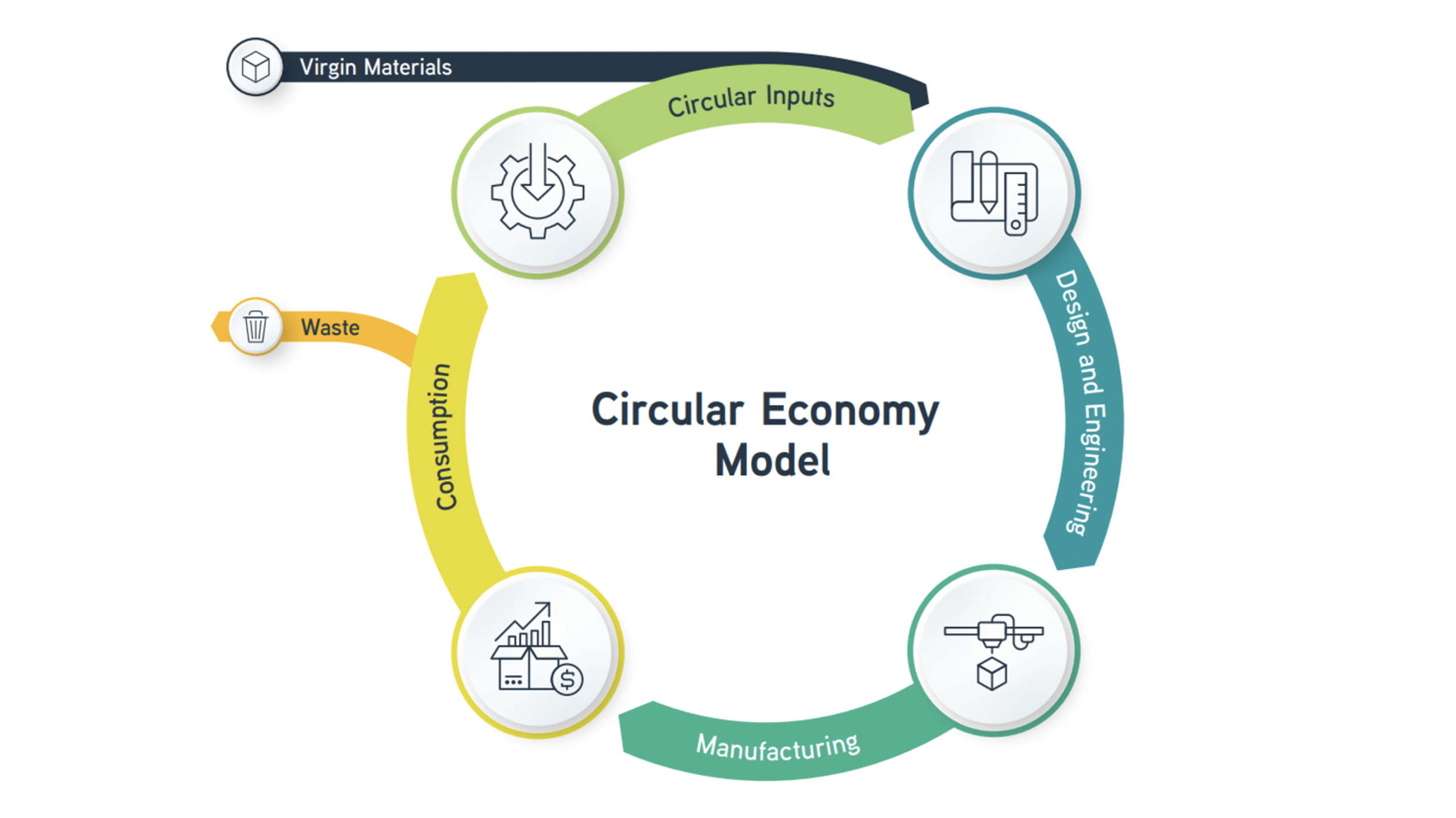
1. Shift from Linear to Circular
This is the most tangible starting point. Ditch the “take-make-waste” pipeline. Design products for longevity, repairability, and eventual disassembly. Use materials that are either biodegradable or can be infinitely recycled. Patagonia’s Worn Wear program, where they repair, resell, and recycle gear, is a classic example. It keeps products in use, builds brand devotion, and creates a whole new revenue stream from what was once considered waste.
2. Regenerate Natural Systems
This goes beyond “net zero” emissions. It’s about becoming a net-positive force for nature. For some businesses, this means regenerative agriculture in their supply chains—farming practices that rebuild soil organic matter, increase biodiversity, and improve watersheds. Imagine a food company whose sourcing actually improves the health of the farmland it depends on. That’s not just risk mitigation; that’s creating a more productive, resilient asset for the future.
3. Empower People & Communities
A business is only as resilient as the people in and around it. Regenerative models invest in living wages, employee ownership, and deep community partnerships. They see local communities not as markets to capture, but as partners to collaborate with. When a business helps solve local problems—like funding skills training or supporting local infrastructure—it builds a reservoir of goodwill and stability that pays dividends for decades.
Making the Shift: Where to Begin
This all sounds grand, I know. But the journey starts with a single, often messy, step. You don’t need to overhaul everything tomorrow.
Start with a materiality assessment. Honestly, just look at your biggest impacts. Where do you use the most water, energy, or raw materials? Where are your social touchpoints most intense? That’s your leverage point.
Redefine “value” in your metrics. Move beyond quarterly profits. Start measuring soil health, employee well-being, community wealth creation, or tons of material kept in circulation. What gets measured gets managed—and eventually, gets celebrated.
Experiment with a pilot project. Pick one product line, one supply chain, one community initiative. Apply regenerative principles there. Learn, iterate, and let that success—and its lessons—spread organically through the organization.
The Tangible Benefits: It’s Not Just Good, It’s Smart
Skeptics might call this idealism. The data, however, calls it smart strategy. Implementing regenerative practices drives resilience in concrete ways:
| Benefit | How Regeneration Delivers It |
| Supply Chain Security | Diversified, localized suppliers and healthier ecosystems reduce dependency on fragile global chains. |
| Customer Loyalty & Talent Attraction | People, especially younger generations, want to work for and buy from companies with authentic purpose. This is a major edge. |
| Innovation & New Markets | Designing for circularity or developing restorative services opens entirely new business avenues. |
| Risk Mitigation | Proactively addressing environmental and social issues avoids future regulation, lawsuits, and reputational damage. |
| Long-Term Cost Savings | Renewable energy, waste elimination, and durable design lower operational costs for years to come. |
In fact, the business case is becoming undeniable. Companies stuck in the old extractive model are finding themselves on the wrong side of history—and of investor sentiment.
The Road Ahead: Embracing the Messy, Human Journey
Look, no one gets this perfect from day one. Transitioning to a regenerative business model is a journey of constant learning. It requires humility to admit we’ve been doing things wrong, and courage to try a new path without a guaranteed map.
It means partnering with unlikely allies—competitors, even—to create industry-wide shifts. It means listening to communities you’ve ignored and to the quiet intelligence of natural systems. It’s messy, iterative, and profoundly human.
But here’s the thought that lingers. We’re at a turning point. We can continue to build businesses that are efficient at exploiting a world in decline. Or, we can choose to build businesses that are resilient because they actively contribute to a world in renewal. The latter isn’t just a nicer story. It’s the only one with a future worth having.