Think about the last time you contacted customer support. Maybe you were frustrated, confused, or just needed a quick answer. That interaction, for you, was about solving a single problem. But for the company on the other end? It’s a goldmine. A direct line into what’s working, what’s broken, and what’s missing.
Here’s the deal: most companies treat support as a cost center—a necessary drain to handle complaints. But what if we flipped that script? What if we saw every ticket, every chat, and every call as a raw, unfiltered source of ethical product development and feature ideation? That’s not just smart business; it’s building with integrity.
Why Support Data is Your Most Honest Feedback Loop
Marketing surveys can be leading. User interviews might attract your most vocal fans. But support interactions? They’re involuntary, urgent, and brutally honest. People aren’t trying to shape your roadmap; they’re trying to get their job done or their life back on track. That authenticity is priceless.
When you listen here, you’re not just fixing bugs. You’re uncovering the “why” behind the “what.” A request for a new button isn’t just a feature ask—it’s a symptom of a workflow gap. A common confusion point isn’t user error; it’s a design flaw. This is where ethical product development begins: with empathy, derived from real struggle.
The Ethical Edge: Building Trust, Not Just Features
Let’s be clear. There’s a right way and a, well, sketchy way to use this data. The ethical approach is transparent and reciprocal. It means telling users, “Hey, your feedback directly shapes what we build.” It means closing the loop by informing them when their suggestion goes live. That builds a powerful, trust-based relationship.
The alternative? Secretly mining tickets to build features you then charge extra for. Or using frustration data to create dark patterns that exploit user behavior. That’s short-term gain for long-term brand erosion. Ethical product development from support insights is a covenant: “We hear your pain, and we’ll use it to make your experience better.”
Turning Tickets into a Treasure Map: A Practical Framework
Okay, so how do you actually do this? It’s more than just skimming ticket summaries. You need a system. Think of it like panning for gold—you need to sift through a lot of sediment to find the nuggets.
Step 1: Tag, Categorize, and Quantify
First, move beyond basic categories like “billing” or “bug.” Implement tags that capture intent and opportunity:
- “Workaround Reported”: A user describes a manual fix. This is a direct signal for a needed feature.
- “Repeated Question”: If multiple people ask how to do the same thing, your UI is likely failing.
- “Feature Request”: The obvious one, but tag the specific area (e.g., “Reporting Request,” “Integration Request”).
- “Emotional Language”: Tags like “frustrated” or “confused” help prioritize high-friction areas.
Then, quantify it. A simple monthly report can show:
| Top Pain Point Category | Volume of Tickets | Trend (MoM) | Potential Product Implication |
| Export Functionality | 145 | Up 22% | Current export options are insufficient; prioritize enhanced data portability. |
| Mobile App Onboarding | 89 | Steady | In-app guidance is lacking; consider interactive tutorials. |
| API Error 422 | 67 | Down 10% | Recent fix is working, but monitor. |
Step 2: Create a “Voice of Customer” Pipeline
Support data must flow directly into product teams. Set up a weekly sync where a product manager reviews top-tagged tickets. Better yet, have product folks listen to recorded calls or read a sampling of raw tickets. The visceral understanding of a user’s tone is something a spreadsheet can never convey.
Use a shared board (like Trello or a dedicated Slack channel) where support agents can instantly post compelling user quotes or ideas. Call it the “Idea Pipeline” or “Direct Feedback.” The key is making it frictionless and, you know, actually used.
Step 3: Validate and Contextualize
Not every repeated complaint means you should build. Sometimes it means you should simplify or educate. This is where ethical judgment comes in.
Ask: Are we solving a symptom or the disease? Building a niche feature for one loud client might alienate your core user base. Use support data as the starting point for discovery. Follow up with user research to understand the broader context. The goal is to find patterns, not pander to outliers.
The Human in the Loop: Empowering Your Support Team
This whole system falls apart if your support team feels like a call center robot. They are your frontline anthropologists. Train them to probe gently. If a user says, “I wish the software could do X,” the agent can ask, “Help me understand what you’re trying to achieve with that?” That uncovers the root need.
Honestly, you should incentivize this. Celebrate when a agent’s insight leads to a product change. It transforms their role from reactive firefighter to proactive product co-creator. That’s huge for morale and for the quality of insights you’ll gather.
Avoiding the Pitfalls: Ethics and Efficiency
It’s not all smooth sailing. Be wary of these common traps:
- The Bias for Squeaky Wheels: The users who contact support are a specific segment. You must balance their input with data from silent users via analytics.
- Feature Bloat: Chasing every small request leads to a cluttered, confusing product. Have the courage to say “no” or “not now,” and explain why.
- Privacy Landmines: Anonymize and aggregate data. Never use specific customer information in a feature briefing without explicit permission. That’s just creepy.
Conclusion: The Cycle of Respect
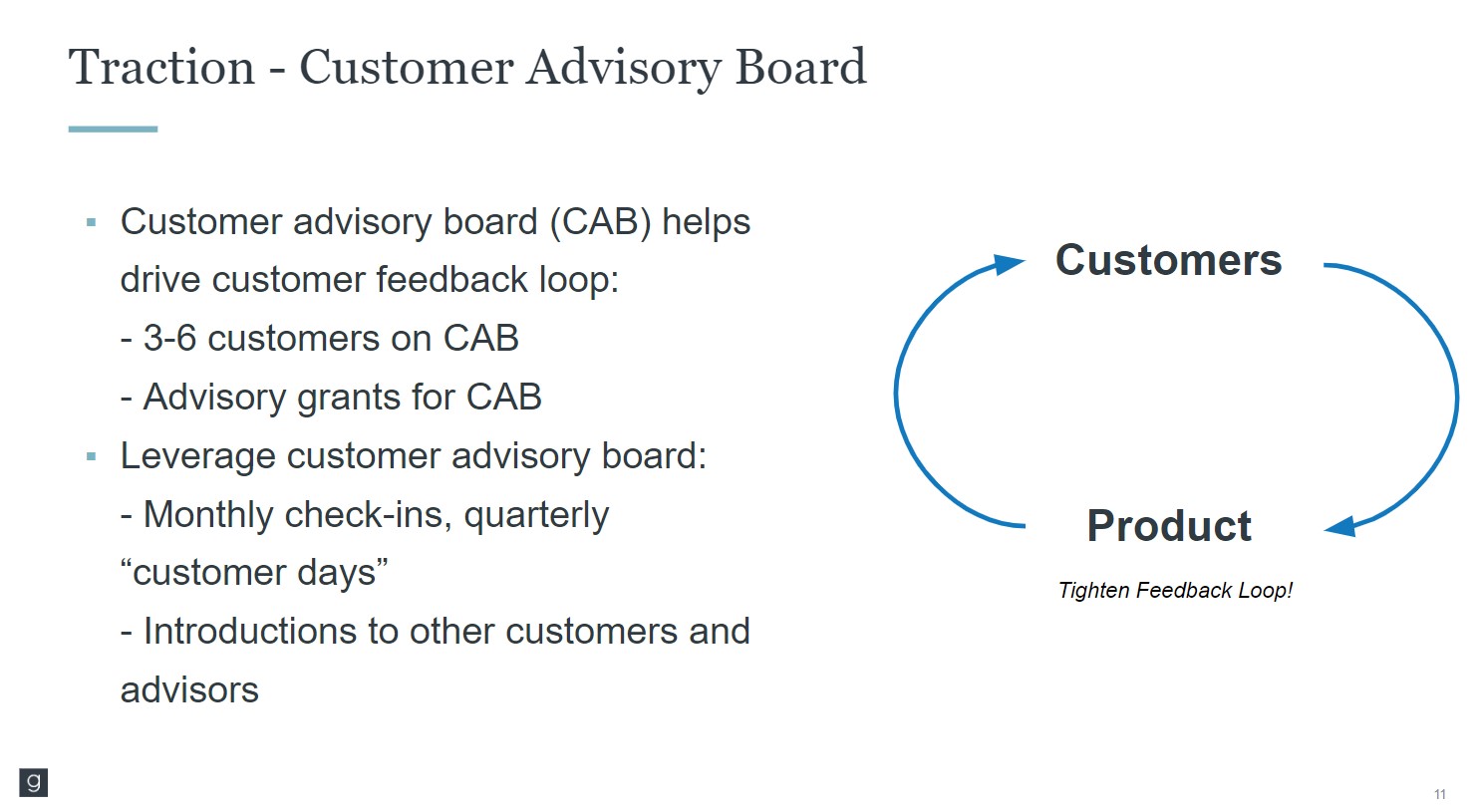
In the end, leveraging customer support for product development creates a powerful cycle of respect. The user feels heard. The support agent feels valued. The product team gets grounded, real-world direction. And the product itself becomes more intuitive, more helpful, more human.
It turns a cost center into an innovation engine. It builds products people truly need, not just ones we assume they’ll want. That’s the kind of ethical foundation that doesn’t just attract customers—it creates advocates. And in a noisy world, that’s the only sustainable edge you need.