Let’s be honest. The traditional B2B marketing funnel can feel… a bit one-sided. You create an asset, gate it behind a form, and hope your prospect is willing to trade their email for what’s often a pretty static PDF. It’s transactional. It’s passive. And frankly, in today’s noisy digital landscape, it’s losing its punch.
But what if you could turn that passive experience into a conversation? What if, instead of just telling a prospect about your expertise, you could let them experience it? That’s the magic—and the genuine strategy—behind leveraging interactive content and gamification for B2B lead generation. It’s not about games for the sake of games. It’s about engagement, data, and building a relationship before the first sales call ever happens.
Why Static Content Is Leaving Leads on the Table
Think of your standard ebook or whitepaper like a museum exhibit behind glass. You can look, but you can’t touch. Interactive content, on the other hand, is like a science center. It invites you to pull the levers, spin the dials, and see what happens. That fundamental shift in dynamic is powerful.
The data backs this up. Interactive content consistently generates more conversions than its static counterparts—often two to three times more. Why? Because it demands participation. It provides immediate, personalized value. A prospect isn’t just reading about a pain point; they’re actively quantifying it for themselves through a calculator or quiz. That self-identified insight is far more compelling than anything you could tell them.
The Interactive Toolkit: More Than Just Quizzes
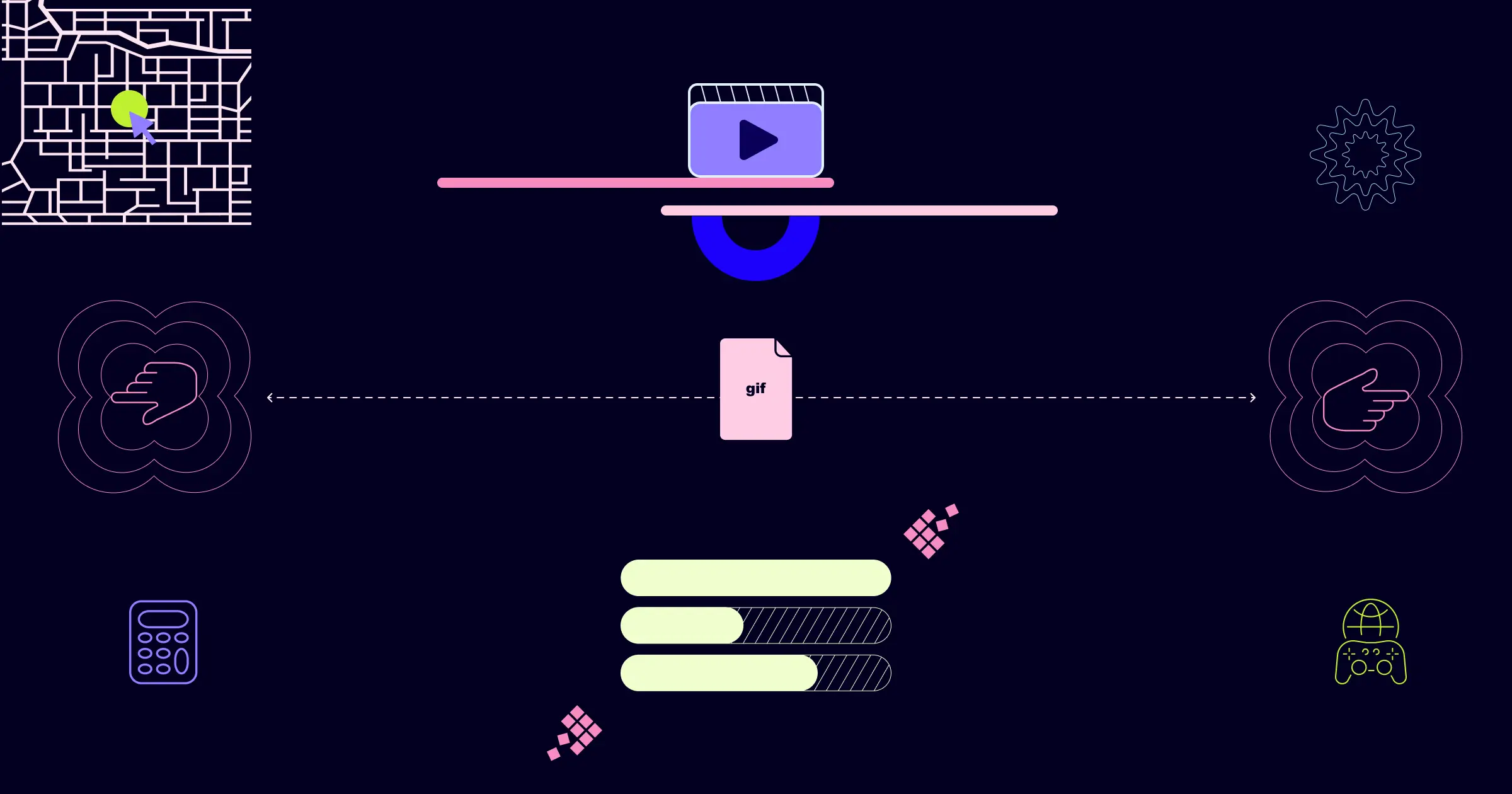
Okay, so we know interactive is better. But what does that actually look like in a B2B context? It’s way more than personality quizzes (though those have their place). Here’s a rundown of high-impact formats:
- Assessments & Audits: “Score your current MarTech stack” or “Rate your compliance readiness.” These are incredibly valuable as they help the prospect benchmark themselves.
- Interactive Calculators & ROI Tools: Nothing cuts through budget objections like a prospect’s own data. A tool that calculates potential savings or revenue impact is pure gold.
- Configurators & Solution Builders: Let prospects visually build their ideal service package or product setup. It’s empowering and educates them on your offerings organically.
- Interactive Infographics & Ebooks: Clickable elements, embedded videos, and “choose-your-own-path” narratives keep readers engaged with dense information.
- Interactive Webinars & Live Demos: Polls, Q&A sessions, and live software manipulation turn a broadcast into a two-way street.
Where Gamification Steps In
Gamification is the secret sauce you sprinkle on top of interactive content. It applies game-like mechanics—points, badges, leaderboards, challenges—to non-game contexts. The goal isn’t to be childish; it’s to tap into basic human motivators: achievement, competition, status, and reward.
For a B2B marketer, this could mean creating a “Platform Proficiency” badge series for users who complete different interactive training modules. Or running a challenge where teams compete to get the highest score on a sustainability audit tool, with the results showcased (anonymously or not) on a leaderboard. It drives repeat engagement and deepens product knowledge in a way that feels rewarding, not mandatory.
The Real Prize: Richer Data & Qualified Leads
Here’s the deal. A form fill gets you a name and an email. An interactive tool gets you a story. You learn not just who they are, but how they think.
Let’s say you run an interactive assessment. You can track: their specific pain points based on answers, their company’s maturity level, their budget indicators, and even their decision-making priorities. This is behavioral data at its finest. It lets you segment leads with surgical precision. The lead who scores “high urgency, low readiness” gets a nurturing path focused on education. The “high readiness, solution-focused” lead gets fast-tracked to a sales demo.
| Lead Source | Data Captured | Lead Quality Signal |
| Static Whitepaper Download | Name, Email, Company, Job Title | Low to Medium (Showed interest in topic) |
| Interactive ROI Calculator | All of the above PLUS calculated budget, current solution cost, projected savings, feature priorities. | High (Demonstrated specific need and quantified value) |
Making It Work: A Few Practical Truths
This all sounds great, right? But before you rush off to build a branded video game, let’s ground this in reality. Success with interactive and gamified content hinges on a few core principles.
First, align the experience with a real business problem. The interaction must provide genuine utility. If it’s just a flashy gimmick, your savvy B2B audience will see right through it.
Second, keep the user experience seamless. The path from engagement to lead capture should be smooth. Don’t ask for 10 form fields before they can see their quiz result. Ask for an email to get the detailed report after you’ve given them a teaser of their score. Value first, then ask.
And third—this is crucial—have a plan for the data. All that beautiful behavioral insight is worthless if it doesn’t flow into your CRM and inform your sales team’s outreach. A lead from a “security risk score” tool should trigger a very different sales email than a lead from a “product feature explorer.”
A Quick Note on Integration
You don’t need to rebuild your entire tech stack. Honestly, many tools plug right into what you have. Platforms for creating interactive content often integrate with major marketing automation systems (think HubSpot, Marketo, Pardot). The key is to map out that data flow beforehand. Think of it as connecting the pipes before you turn on the water.
The Human Element in a Digital Game
At its heart, this shift is about recognizing that B2B buyers are, well, people. They’re busy, they’re skeptical, and they’re drowning in information. They crave experiences that respect their time and intelligence. Interactive content and thoughtful gamification do exactly that. They transform your marketing from a monologue into a dialogue.
It’s a move from simply capturing leads to truly understanding them. And in an era where personalization is the baseline, that understanding—that rich, behavioral data—is your ultimate competitive edge. The question isn’t really if you should start experimenting, but which part of your funnel feels the most like a one-way street, and what kind of conversation you could start there instead.