Think about the last time you asked your kitchen speaker for the weather. Or when you got lost in a podcast during your commute. Or maybe you’ve even popped into a live audio chatroom on an app. That’s the new frontier—it’s not just screens anymore. Marketing in the voice and audio ecosystem is about meeting people where their ears are. It’s intimate, it’s hands-free, and honestly, it’s where a lot of the casual, daily attention is flowing now.
This isn’t about shouting louder. It’s about speaking smarter. Let’s dive into the strategies that work for the three big pillars: smart speakers, podcasts, and those buzzy social audio platforms.
The Smart Speaker Playground: Beyond Basic Commands
Smart speakers like Amazon Alexa and Google Nest are the gateways. People use them for music, timers, quick info—it’s a utility-first relationship. Your marketing goal here isn’t to interrupt, but to become a utility. It’s a subtle art of being helpful, not salesy.
Key Tactics for Voice Assistant Marketing
- Develop a Simple Skill/Action: Create something that provides genuine value. A recipe skill from a food brand, a guided meditation from a wellness app, or a quick tip of the day. The bar for usability is sky-high—if it takes more than two interactions, you’ve lost them.
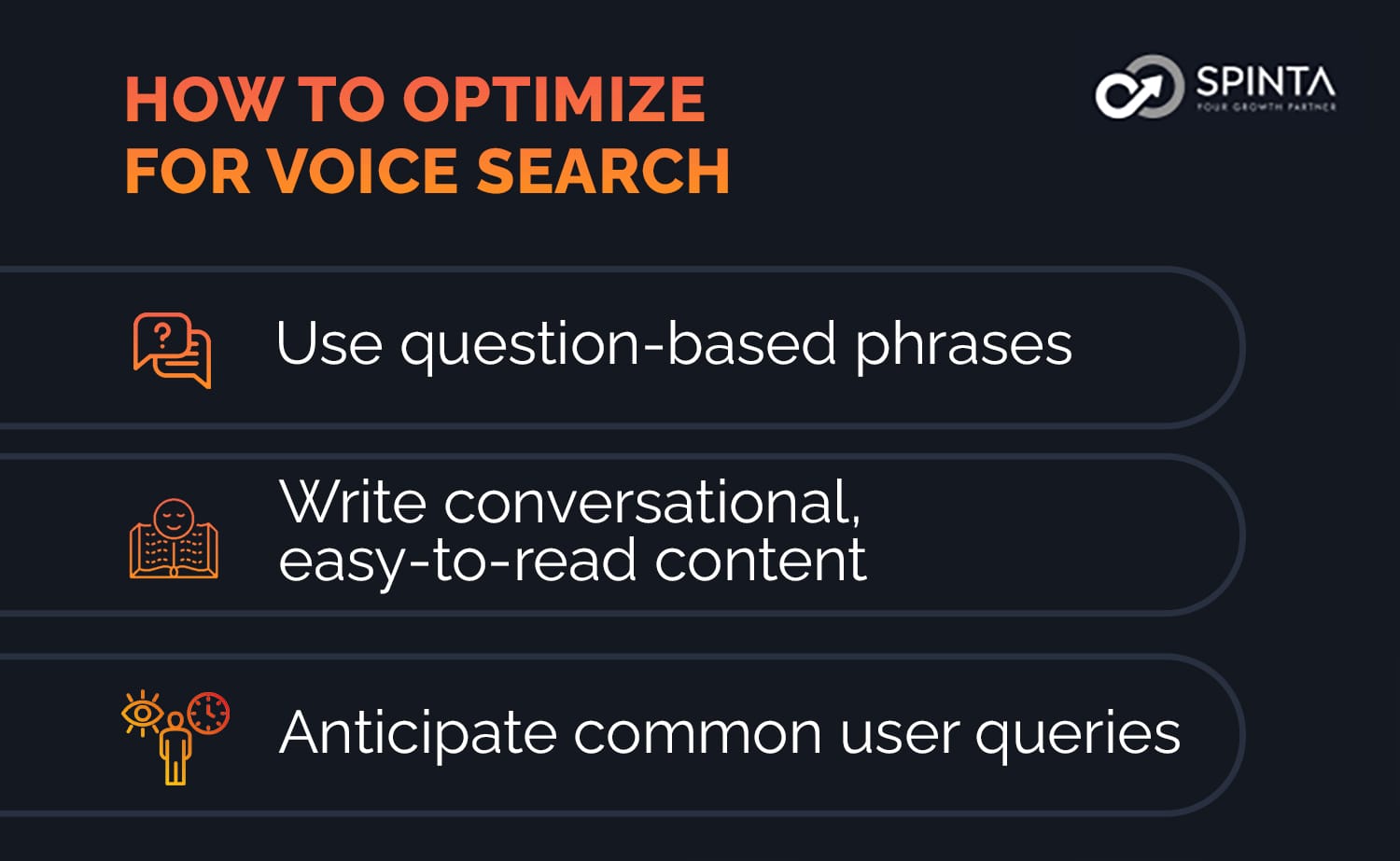
- Optimize for Voice Search: This is huge. People don’t type “best pizza near me” they ask, “Hey Google, where can I get a good margherita pizza right now?” Your SEO strategy needs a voice layer. Focus on natural language questions, long-tail keywords, and claiming your local business listings with perfect accuracy.
- Think “Flash Briefings”: Getting a 30-second update into a user’s daily flash briefing is prime real estate. It’s audio branding at its most direct. Offer quick news, industry insights, or daily inspiration. It builds a routine with your brand’s voice—literally.
The vibe here? Be the helpful friend in the corner of the room, not the billboard on the highway.
Podcast Power: The Deep Dive Connection
Podcasts are the long-form novel of audio. Listeners invite hosts into their cars, their earbuds at the gym, their kitchen while cooking. That’s a deep, trusted relationship. Marketing here is about alignment and integration, not blatant ads. Well, sometimes it’s about ads, but they need to feel right.
Crafting Your Podcast Marketing Strategy
| Approach | How It Works | Pro Tip |
| Host-Read Ads | The host seamlessly integrates your product into their content. Trust transfers. | Give the host creative freedom. Their authentic voice sells better than your script. |
| Sponsorship | Aligning with an entire show or series. You own a segment, like “the weather report brought to you by…” | Choose shows whose audience demographically and psychographically mirrors your ideal customer. |
| Content Marketing | Create your own branded podcast. This is a long game for building authority. | Don’t make it an infomercial. Provide immense value on a topic adjacent to your product. |
| Guest Appearances | You or a team member appear as an expert guest on relevant podcasts. | Promote your episode across your channels. It’s a credibility triple-win. |
Here’s the deal: the best podcast ads don’t feel like ads. They feel like a recommendation from a friend. That’s the gold standard.
Social Audio’s Rise: The Live, Raw Frontier
Then there’s social audio—think platforms like Twitter Spaces, Clubhouse (remember that?), and embedded features in apps like LinkedIn and Discord. It’s live, it’s interactive, and it’s wonderfully unpolished. The vibe is a conference roundtable meets a late-night radio call-in show.
Strategies here are about real-time engagement and thought leadership.
- Host Your Own Rooms/Spaces: Don’t just lurk. Host weekly Q&As, industry discussions, or “ask me anything” sessions. The topic is king—pick something niche and compelling.
- Participate Authentically: Join other conversations. Offer real insights, not pitches. Raise your hand, contribute meaningfully, and your profile becomes your billboard.
- Repurpose Content: That amazing discussion you hosted? Clip the best 60 seconds for social video. Turn the transcript into a blog post. Get more mileage from the live event.
- Test Exclusive Offers: Offer a promo code or early access to a product announced only to live attendees. It creates urgency and rewards the inner circle.
Weaving It All Together: An Integrated Audio Strategy
Okay, so you’ve got tactics for each channel. But the magic—honestly—happens when they start to talk to each other. Imagine this flow:
A listener hears your host-read ad on their favorite podcast. They’re curious, so later they ask their smart speaker for more info about your company. You’ve optimized for that voice search, so it pulls up your location or a helpful skill. Then, a notification pops: you’re hosting a Twitter Space next week on the very topic they’re interested in. They join, engage, and become a customer.
That’s the ecosystem at work. It’s a cohesive journey that moves from passive listening to active participation.
The Sound of Success: Key Takeaways
Look, audio marketing requires a shift in mindset. You’re not designing for the eye; you’re crafting for the ear. That means prioritizing:
- Authenticity over polish (a little “um” can be charming).
- Utility over interruption.
- Conversational language over formal jargon.
- Strategic integration over one-off experiments.
And you have to start thinking about sonic branding—your consistent use of a brand voice, a musical jingle, a certain tone. It’s how you become recognizable in a world without logos.
The voice and audio ecosystem is only going to get louder. It feels personal, it fits into the crevices of our day, and it builds a kind of familiarity that visual media sometimes struggles with. The brands that learn to speak human—to be helpful, interesting, and present in these sonic spaces—won’t just be heard. They’ll be listened to.