
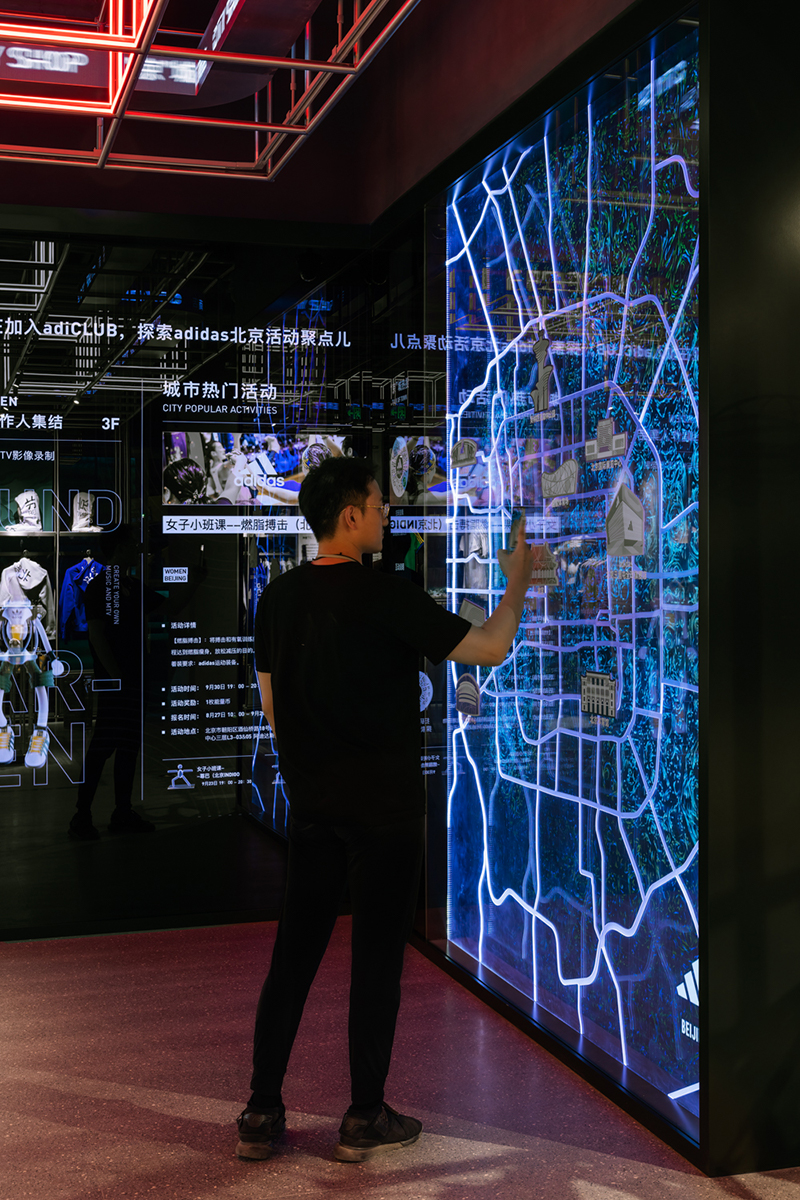
Let’s be real — running an independent brand in 2025 feels like juggling flaming torches while riding a unicycle. You’ve got your online store humming, maybe a small pop-up, and then there’s the constant pressure to “be everywhere.” But here’s the thing: customers don’t want to choose between your website and your physical space. They want both, seamlessly. That’s where phygital retail comes in.
Phygital — yeah, it’s a buzzword. But it’s also a lifeline for small brands. It’s not about flashy tech for tech’s sake. It’s about making your customer’s journey feel… whole. Like a warm handshake between your Instagram feed and your brick-and-mortar corner. Let’s break down how independent brands can pull this off without a Silicon Valley budget.
Why phygital matters more than ever for indie brands
Think about the last time you bought something from a small brand online. You saw a photo, maybe a video. You hesitated. You wanted to touch the fabric, smell the candle, or see the scale of that ceramic mug. That hesitation? It’s the gap phygital fills.
Independent brands don’t have the luxury of massive ad budgets or return policies that absorb friction. What they have is authenticity and story. Phygital strategies amplify that. They let you offer a tactile experience without needing a flagship store on Fifth Avenue. And honestly, customers crave it — 73% of shoppers prefer brands that blend online and offline experiences (yes, that stat is real).
The “try before you buy” — but make it digital
Okay, let’s talk about augmented reality (AR). I know, I know — it sounds like something from a sci-fi movie. But for indie brands, AR is surprisingly accessible. Tools like Zakeke or Blippar let customers “try on” products from their phone. A small jewelry brand can use AR to show how a necklace drapes on a neckline. A candle maker can let users “place” a jar in their living room via their camera.
It’s not perfect — sometimes the lighting’s off, or the 3D model glitches. But that’s okay. It’s about reducing friction, not eliminating it entirely. And it builds curiosity. People spend more time on your site, which boosts SEO signals too.
Three phygital tactics that actually work for small budgets
You don’t need a $10,000 app. Here’s what independent brands can do right now.
- QR codes that tell a story — Not the boring ones on a menu. Place QR codes on product tags or packaging that link to a short video of the maker explaining the item. Or a playlist that matches the vibe. It’s cheap, personal, and shareable.
- Pop-up events with a digital echo — Host a weekend pop-up, but make it “phygital.” Offer a discount code only available to in-person visitors, then let them use it online later. Or set up a photo booth with a branded hashtag. The physical moment lives on in your feed.
- Click-and-collect, but make it intimate — Even if you’re a tiny shop, offer curbside pickup with a handwritten note. Or a “virtual queue” system where customers reserve a time slot to browse alone. It’s low-tech but high-touch.
Wait — what about inventory? A quick table
Phygital can hurt if your stock isn’t synced. Here’s a simple way to think about it:
| Channel | Inventory Risk | Phygital Fix |
|---|---|---|
| Online store | Over-selling out-of-stock items | Real-time sync with POS system |
| Physical pop-up | Under-stocking popular items | Pre-order via QR code for next drop |
| Social media | Showing items not available yet | Use “coming soon” tags with waitlist |
That table might look dry, but honestly, inventory mismanagement is the silent killer of indie brands. Phygital forces you to get organized — and that’s a good thing.
Personalization: The secret sauce (and it’s not creepy)
Big brands use your data to stalk you with ads. Independent brands can use data to surprise you. Imagine this: a customer buys a ceramic mug online. When they come to your pop-up, you remember their name and show them a matching plate you just made. That’s phygital personalization.
You don’t need a CRM system from Mars. Use a simple spreadsheet or a free tool like Notion to track purchase history. Then, when a customer walks into your space, you can say, “Hey, I saw you loved the blue glaze — we just got a new batch in.” It feels like magic, but it’s just good listening.
Voice search and phygital? Seriously?
Okay, this one’s a bit out there, but hear me out. Voice search is growing — 50% of all searches will be voice-based soon. For indie brands, that means optimizing your Google Business profile for “near me” queries. If someone asks their phone, “Where can I buy handmade soap near me?” and your phygital shop pops up, you’ve won. Make sure your hours, location, and inventory are updated. It’s boring but effective.
Mistakes indie brands make (and how to avoid them)
I’ve seen it happen. A brand gets excited, buys a fancy interactive mirror, and then nobody uses it because it’s confusing. Or they launch a phygital campaign without testing it on a real human first. Here are the common pitfalls:
- Overcomplicating the tech — If your grandma can’t scan the QR code, it’s too complex. Keep it simple.
- Forgetting the “human” in phygital — The whole point is connection. If you automate every interaction, you lose the soul. A robot can hand you a package, but it can’t smile and ask about your day.
- Ignoring mobile optimization — Most phygital interactions happen on a phone. If your site loads slowly or the QR code leads to a desktop-only page, you’ve lost them.
Honestly, the biggest mistake? Thinking phygital is a one-time campaign. It’s not. It’s a mindset shift — a way of weaving digital threads into every physical touchpoint.
Measuring what matters (without the data overwhelm)
You don’t need a dashboard that looks like a NASA control center. Start with three metrics:
- Foot traffic to online conversion — How many pop-up visitors later buy online? Use unique discount codes.
- QR code scan rate — If it’s below 5%, maybe the placement or incentive is off.
- Customer feedback — Ask, “Did you feel like you knew us before you walked in?” That’s the phygital litmus test.
And please — don’t obsess over vanity metrics. A thousand scans mean nothing if nobody buys. Focus on repeat purchases and word-of-mouth. Those are the real signals.
Real-world example: A small apothecary brand
Let me paint a picture. There’s a brand called “Root & Resin” (fictional, but based on a real one I know). They sell small-batch candles and oils. Their phygital strategy? They host monthly “scent workshops” in a rented studio. Attendees smell the oils in person, then get a QR code to order custom blends online later. They also include a tiny sample in every online order with a note: “Smell this. Come to our next workshop if you like it.”
Result? Their email list grew 40% in three months. And their workshop attendees spend 2x more online than their average customer. Why? Because they felt the brand before they bought.
The future is… a bit messy, and that’s fine
Phygital retail isn’t a polished, perfect system. It’s a dance between the digital and the physical — sometimes you step on each other’s toes. But for independent brands, that imperfection is actually an advantage. You can pivot fast. You can try a QR code on a napkin at a market. You can test a live-streamed trunk show from your kitchen. Big brands can’t move that quickly.
So, start small. Pick one tactic — maybe a QR code with a story, or a click-and-collect with a handwritten note. See how it feels. Adjust. The goal isn’t to be perfectly seamless. It’s to be memorably human in a world that’s increasingly digital.
And that, honestly, is something no algorithm can replicate.